Phytosanitary Certificates Explained for Plant Buyers
By Inflos Team · Updated 19 September 2026 · 2 min read
What a phytosanitary certificate is, who issues it, what it costs, why every cross-border plant shipment needs one, and what to check when your parcel arrives.
A phytosanitary certificate is the document that lets a live plant cross an international border legally. If you buy rare plants from Indonesia, Thailand or any other exporting country, you will see it on every shipment, and understanding it saves you from the most common import mistakes.
What the certificate states
The certificate is a standard form defined by the International Plant Protection Convention. It records:
- the exporter and consignee,
- the scientific name and quantity of each plant,
- the declared point of entry,
- any treatments applied (for example a fungicide dip),
- an inspector's declaration that the plants were examined and found free of regulated pests,
- the issuing office, date and signature.
The consignee details must match the person named on the import permit, so use the same name and address on both.
Who issues it and how
The exporting country's plant-protection authority inspects the plants, usually at the exporter's premises or a quarantine station, then issues the certificate. For Indonesian shipments this is the Agricultural Quarantine Agency, for Thai shipments the Plant Quarantine service of the Department of Agriculture. Inspection takes a few working days and the plants are shipped immediately afterwards, because the certificate has a short validity window.
What it costs
The fee is a modest fixed charge per shipment plus the inspector's time, and it does not scale with the value of the plants. Inflos sellers include it in the delivery fee shown on the listing for your country, so there is nothing to arrange on your side beyond your own import permit.
What it does not do
The certificate confirms the plants were inspected in the exporting country. It does not replace your import permit, does not pay customs duties or VAT, and does not guarantee the plant survives transit. Survival is handled by packing, courier speed and, on Inflos, by escrow: your payment is released only after you confirm the plant arrived healthy.
What to check on arrival
- The certificate is in the parcel or attached to the courier documents.
- Names and quantities match your order.
- The consignee is you.
- If customs opened the parcel, note the inspection sticker for your records.
Keep the certificate with your order confirmation; some countries ask for it if they audit an import later.
Related guides
Frequently asked questions
Who issues a phytosanitary certificate?
The national plant protection organisation of the exporting country. For Indonesia that is the Agricultural Quarantine Agency; for Thailand the Department of Agriculture's Plant Quarantine service; for Singapore the National Parks Board.
Is a phytosanitary certificate the same as an import permit?
No. The certificate is issued in the exporting country and travels with the shipment. The import permit is issued by your own country before the shipment leaves and authorises you to receive it. Many destinations require both.
Can I buy a plant without one?
For a domestic order, no certificate is needed. For any international shipment of live plants, skipping it means the parcel can be seized and destroyed at the border, so reputable sellers will not ship without it.
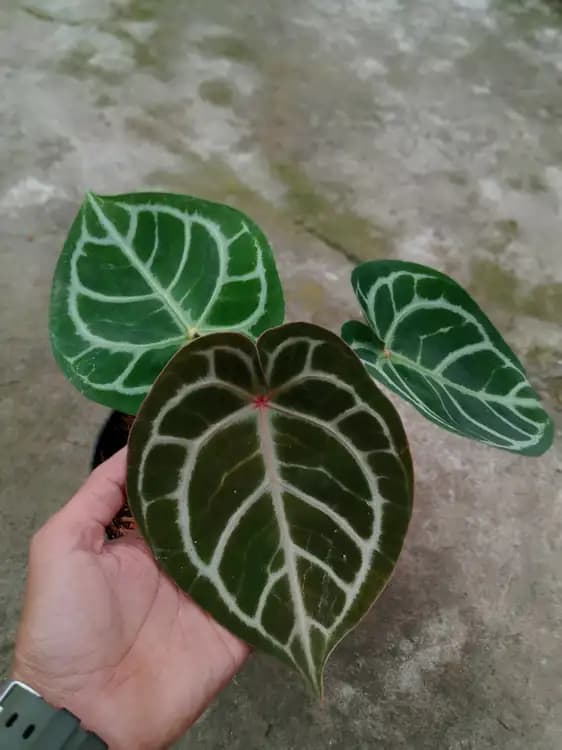
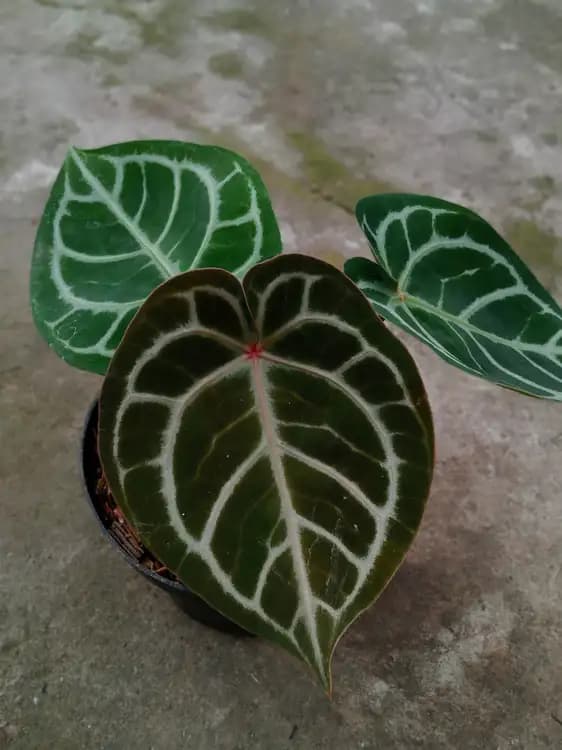

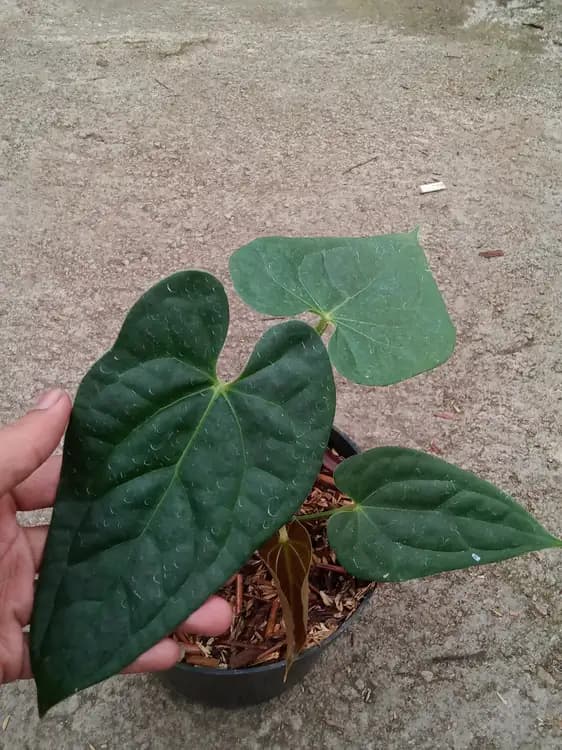
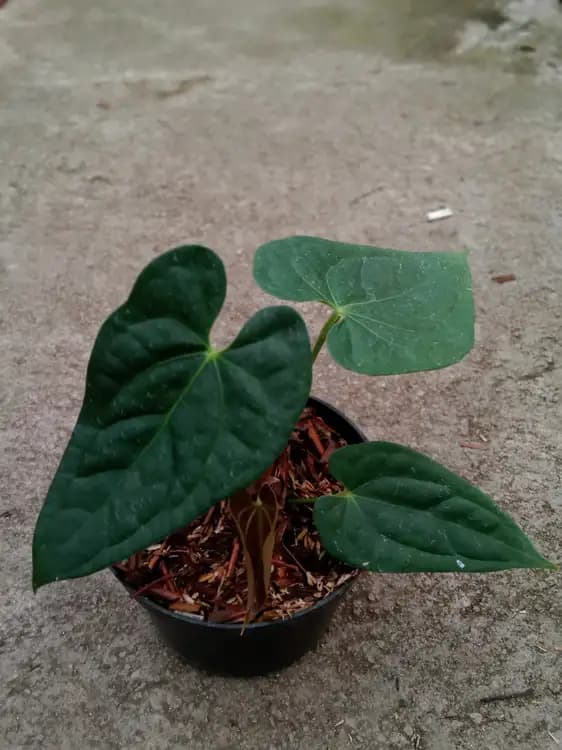
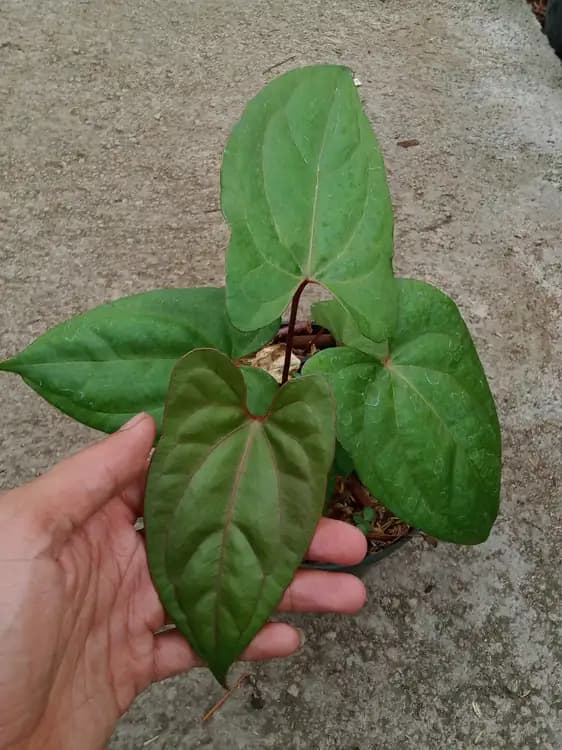
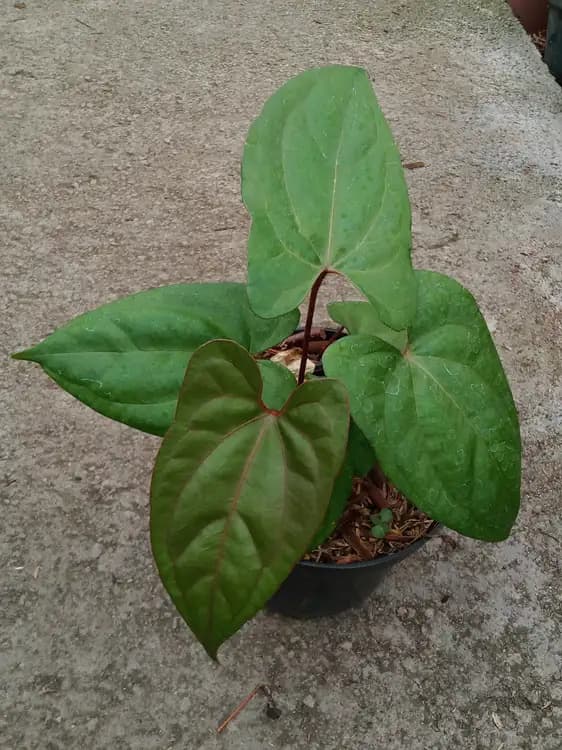
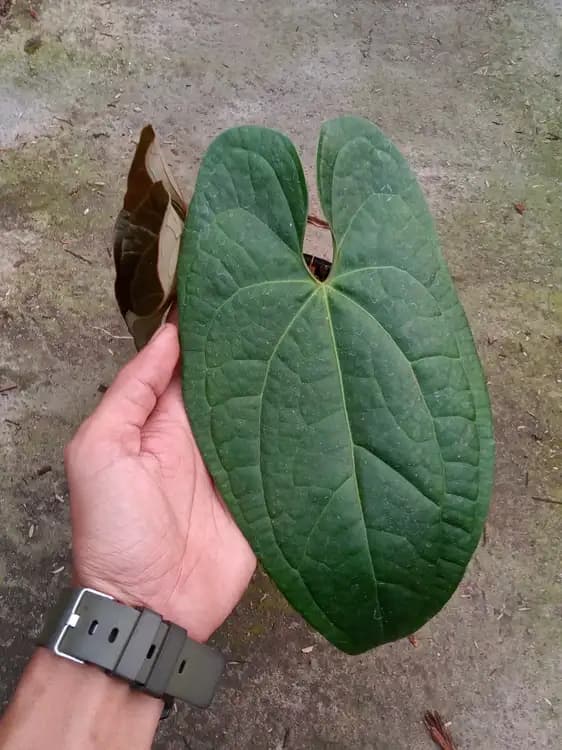
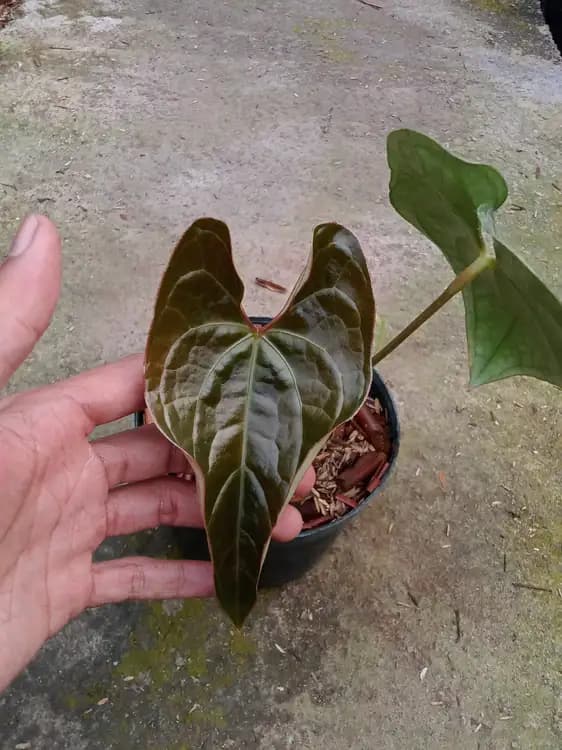
 Anthurium Dorayaki x Red Crystallinum
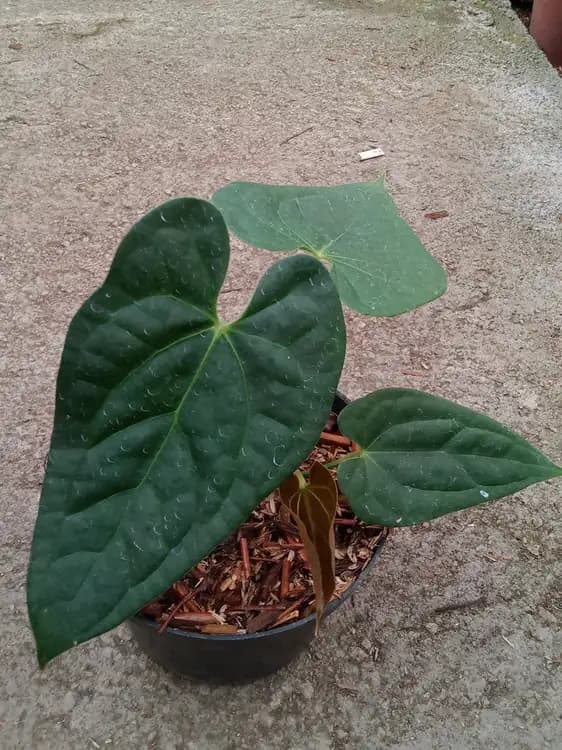
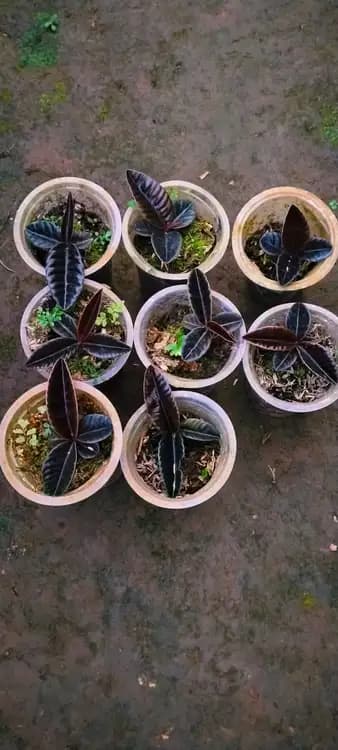
 Labisia Butterfly
 Alocasia Maharani Black