How to Import Rare Plants from Indonesia
By Inflos Team · Updated 19 September 2026 · 3 min read
What you need before you buy from an Indonesian grower: import permits by country, the phytosanitary certificate, bare-root shipping, timelines, costs and how Inflos escrow protects the order.
Indonesia grows a large share of the world's rare aroids, from velvet-leaf Anthurium hybrids to jewel Alocasias, and buying directly from a verified grower is often cheaper than buying the same plant re-exported through a reseller. The process has more steps than a domestic order, but every step is predictable once you know it.
1. Check what your country requires
Live plants cross borders under phytosanitary rules, so the receiving country sets the conditions.
| Destination | What the buyer needs | Where to apply | | --- | --- | --- | | United States | USDA APHIS import permit (form PPQ 587) for live plants; small lots of a few plants have simplified handling, but a permit is still the safe route | USDA APHIS eFile | | European Union | An EORI number for customs and a phytosanitary certificate on the shipment; some genera need extra checks | Your national plant protection organisation | | United Kingdom | A phytosanitary certificate and pre-notification through the IPAFFS system for regulated plants | GOV.UK plant imports | | Singapore | An import permit from the National Parks Board for plants with growing media or roots; CITES permits for listed orchids and cacti | NParks | | Australia | Import conditions are strict and species-specific; check BICON before buying | BICON |
Rules change, so confirm the current requirement with the authority before you order. A plant that arrives without the right paperwork is usually destroyed at the border, not returned.
2. Understand the phytosanitary certificate
The certificate is issued by Indonesia's Agricultural Quarantine Agency after an inspector examines the plants. It confirms the shipment is free of regulated pests and lists each plant by scientific name. Every Inflos seller who ships internationally includes it, and the cost is built into the delivery fee shown on the listing. Read the phytosanitary certificate guide for what the document contains.
3. Expect bare-root packing
International shipments must be free of soil. Sellers wash the roots, treat the plant, wrap the root ball in moist sphagnum moss or damp paper, and secure everything in a ventilated box. Leaves are supported so they do not fold in transit. This looks alarming the first time, but it is how every legal plant export moves.
4. Timelines and costs
- Inspection and certificate: two to five working days after the seller receives your order.
- Transit: three to seven days by express courier to Singapore, Europe or the US; longer if customs holds the parcel.
- Delivery fee: shown on each listing for your country; it includes packing, the certificate and the courier. Import duties or VAT, where they apply, are charged by your customs office on arrival.
5. Unbox and acclimate
Open the box on arrival, photograph everything before you unwrap, and check roots for firmness. Pot into a light, airy aroid mix, keep humidity high for the first two to three weeks, and hold back on fertiliser until new growth appears. Most plants lose an older leaf or two while they re-root; that is normal.
Buying through Inflos
Every seller on Inflos passes identity, reputation and export-permit checks before listing, and your payment stays in escrow until you confirm the plant arrived healthy. Browse Anthuriums from Indonesia, Alocasias from Indonesia or the full plant catalogue.
Frequently asked questions
Do I need an import permit to buy a plant from Indonesia?
In most countries, yes, for any live plant with roots. US buyers apply for a USDA APHIS import permit (PPQ 587), EU buyers need an EORI number and the shipment must carry a phytosanitary certificate, and Singapore buyers apply through NParks. Check your national plant-protection authority before ordering.
Why are imported plants shipped bare-root?
Soil is prohibited in international plant trade because it can carry pests and pathogens. Plants are washed, inspected, wrapped in moist sphagnum or paper, and packed in a ventilated box. They root back into fresh mix within a few weeks.
What happens if the plant arrives dead or damaged?
On Inflos, payment is held in escrow until you confirm the plant arrived healthy. If it arrives dead, damaged beyond recovery or not as described, the buyer-protection policy covers the order.
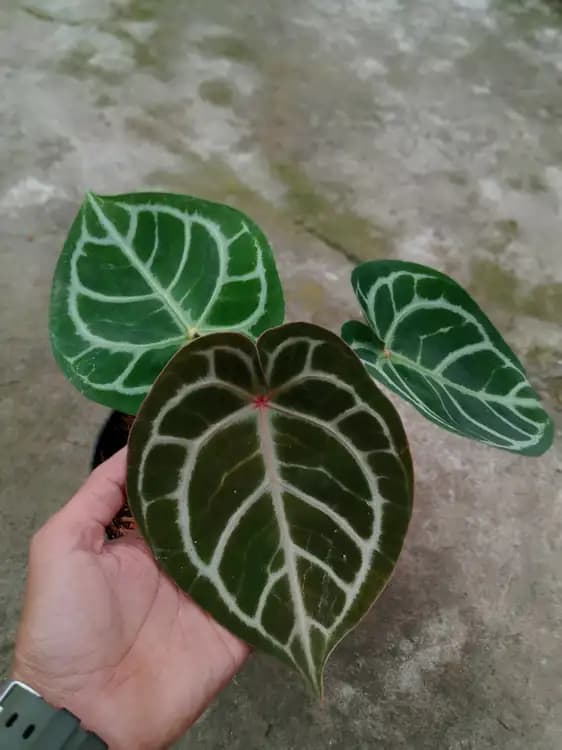
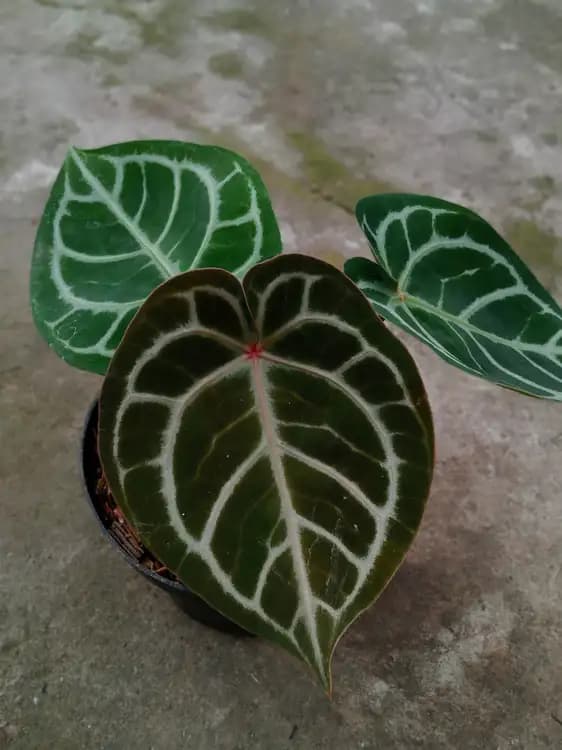

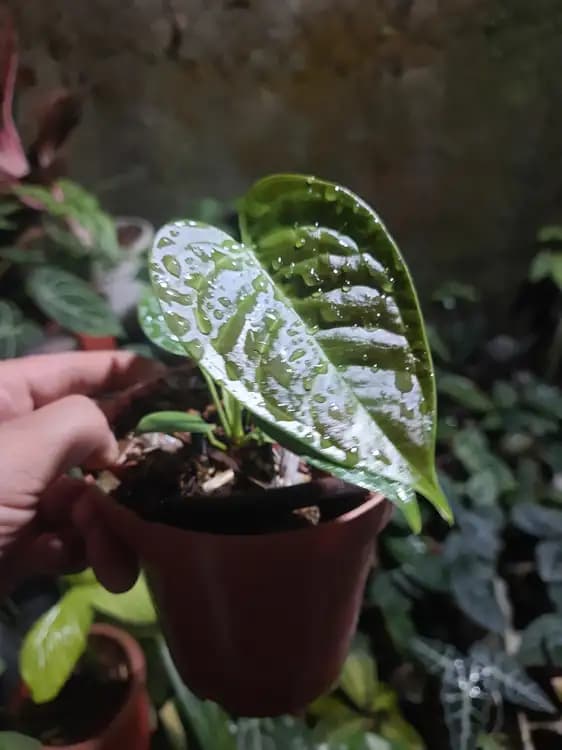
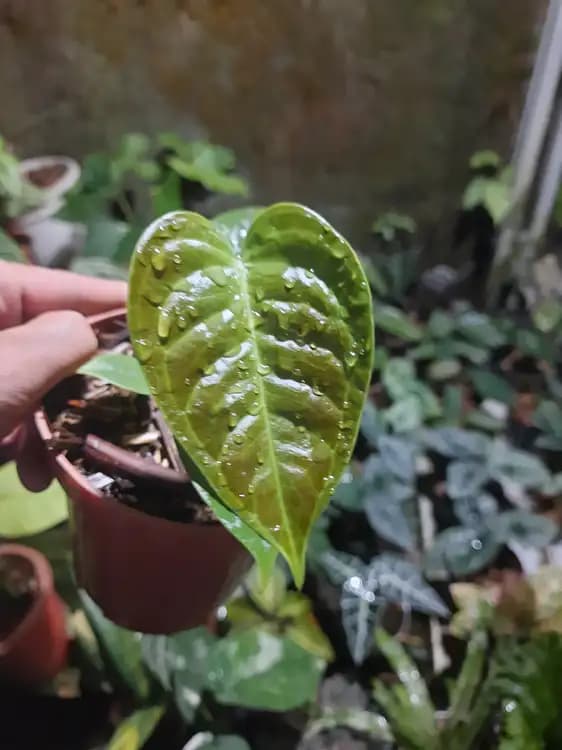
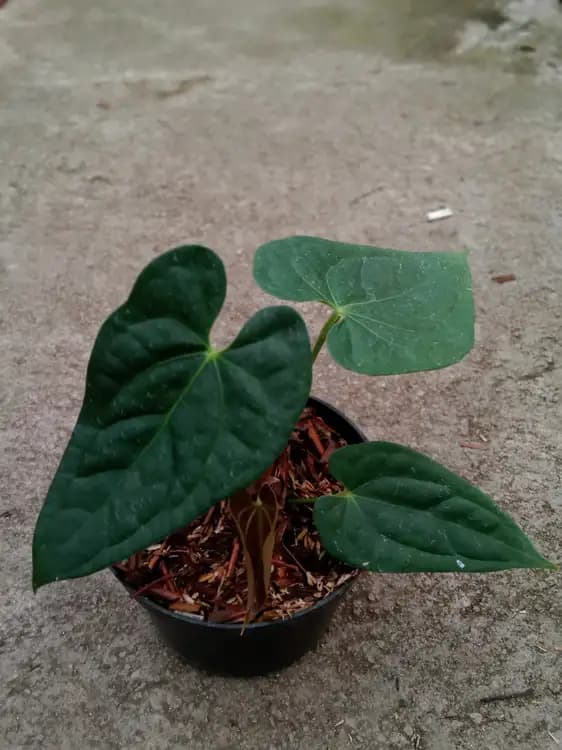
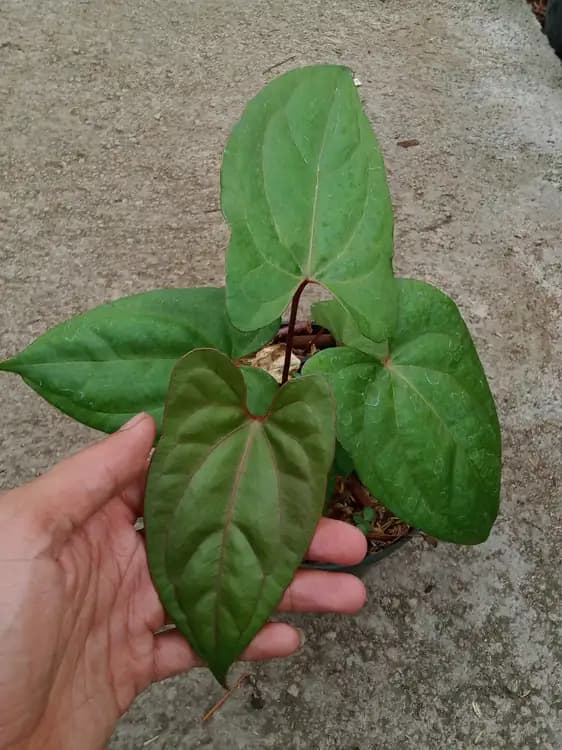
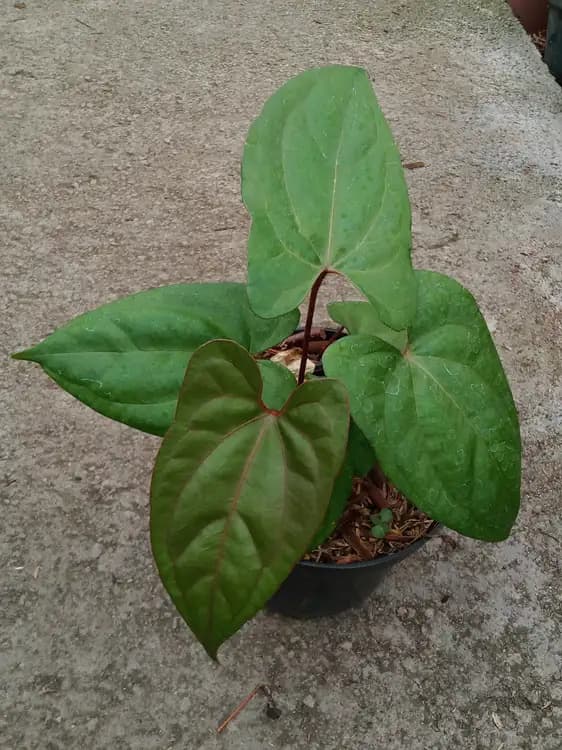
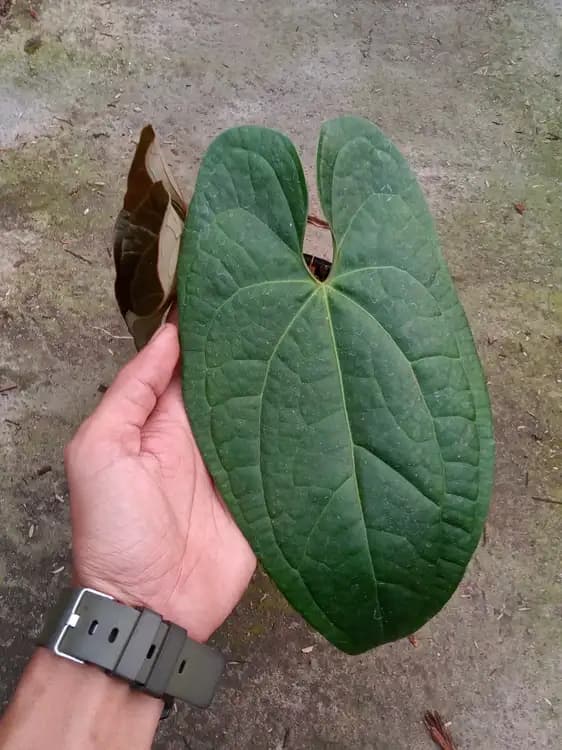
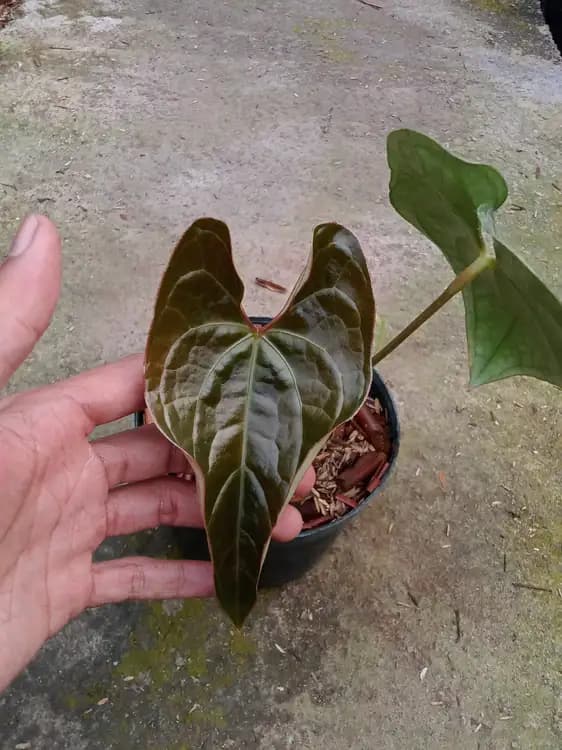
 Anthurium Dorayaki x Red Crystallinum
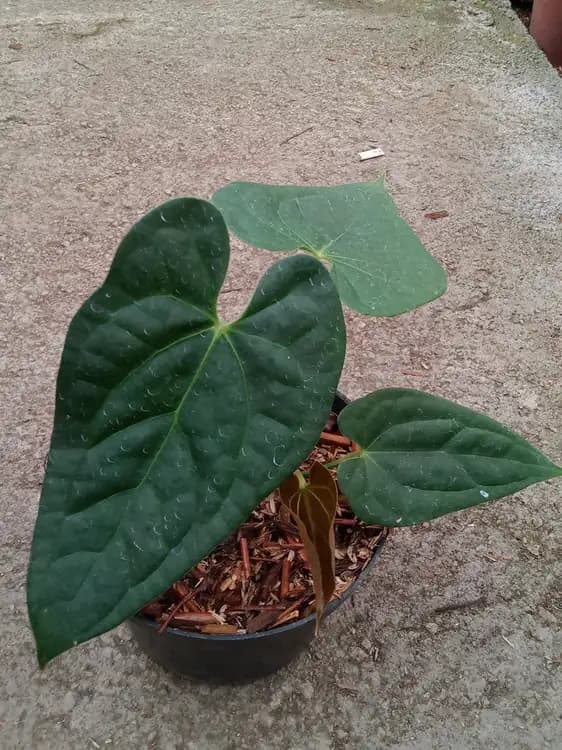
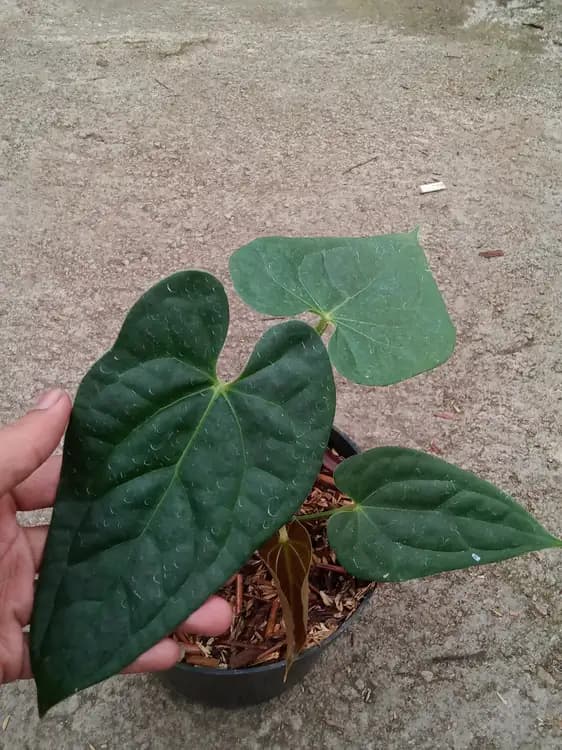
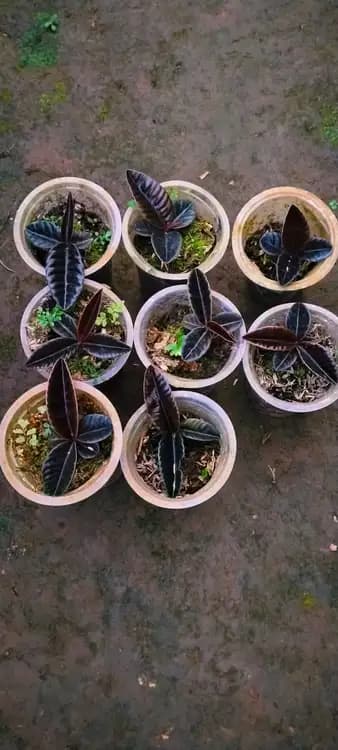
 Labisia Butterfly
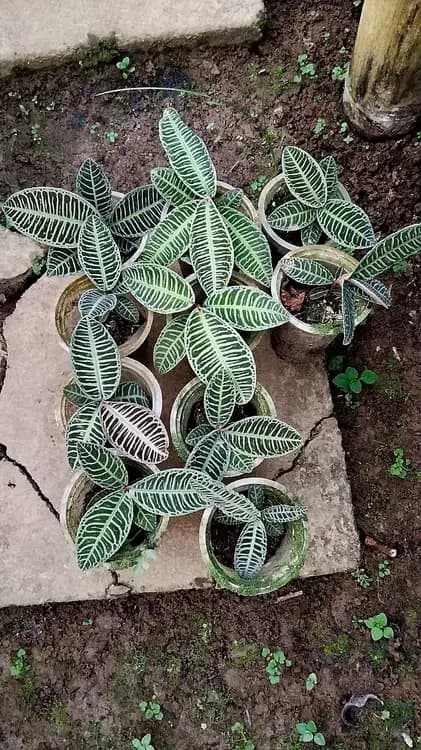
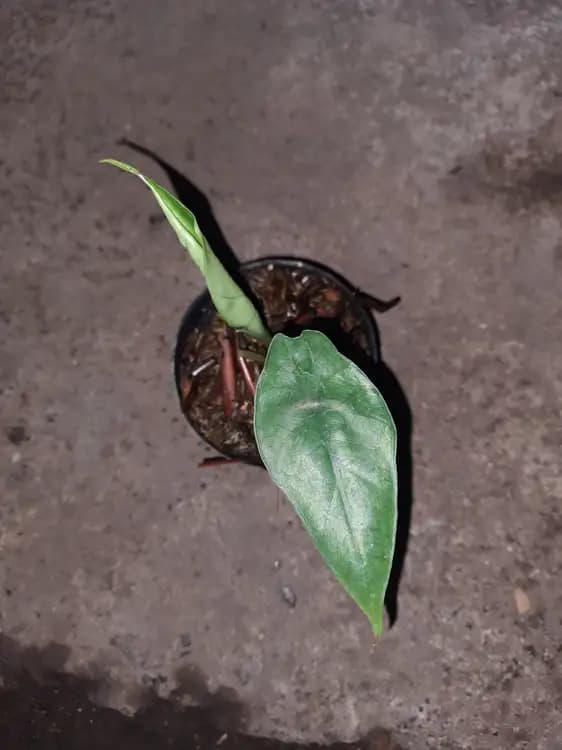
 Alocasia Maharani Black