Seed-Grown vs Tissue Culture vs Cuttings: What You Are Paying For
By Inflos Team · Updated 19 September 2026 · 2 min read
The three ways rare plants are propagated, how each affects price, variation, growth speed and risk, and how to read the growth method on a listing.
Every rare plant on the market was propagated one of three ways, and the method explains most of the price difference between two plants with the same name.
Seed-grown
The grower pollinates a flower, harvests the berries and germinates the seeds. Each seedling is a new genetic individual.
- Variation: high. Siblings differ in leaf shape, colour and vigour.
- Price: highest for selected plants; lower for unselected seedlings.
- Best for: collectors who want a unique plant, hybrid enthusiasts, breeders.
- Watch for: the phrase "seed-grown, selected" versus "seedling"; the first has been picked from a batch, the second has not.
On Inflos the growth field shows "Seeds" or "Seeds (Self)"; the second means the grower self-pollinated a single plant. Browse seed-grown Anthuriums.
Tissue culture
A small piece of a selected mother plant is multiplied in a laboratory into hundreds of genetically identical plantlets, then grown out in a nursery.
- Variation: none in genetics; small differences come from growing conditions.
- Price: lowest per plant once a line is established.
- Best for: buying a known cultivar reliably, for example Monstera Thai Constellation or Alocasia Silver Dragon.
- Watch for: very small plants sold straight from the lab need high humidity and gentle light for several weeks.
Browse tissue-culture Alocasias and Monsteras.
Cuttings
A stem section with at least one node is rooted to make a new plant. This is the standard method for climbing aroids, Hoyas and variegated Monsteras.
- Variation: none; the cutting is the mother plant.
- Price: depends on the size and the number of leaves and nodes.
- Best for: variegated plants, where a cutting from a well-variegated section is the only way to secure the pattern.
- Watch for: unrooted versus rooted cuttings; rooted ones cost more but carry far less risk.
Browse Hoyas from cuttings and Philodendrons from cuttings.
Which should you buy?
- You want a specific, consistent look: tissue culture or a cutting.
- You want something no one else has: seed-grown.
- You are new to a genus: a rooted cutting or an established tissue-culture plant, which are the most forgiving.
Whichever you choose, the listing on Inflos states the method, the origin and, for hybrids, the parents, and your payment is protected by escrow until the plant arrives healthy.
Frequently asked questions
Is tissue culture bad?
No. Tissue culture is how most Monstera Thai Constellation and many Alocasias reach the market at fair prices. Plants are genetically identical to the mother plant. The only caution is that very young tissue-culture plants need careful acclimation.
Why are seed-grown hybrids more expensive?
Each seedling is unique and the breeder has usually selected it from a much larger batch. You pay for the selection and for traits that cannot be cloned cheaply yet.
Can I tell the method from the plant?
Often. Tissue-culture batches look uniform; seed-grown siblings vary; cuttings show a cut stem or an older node. Inflos listings state the method, so you do not have to guess.
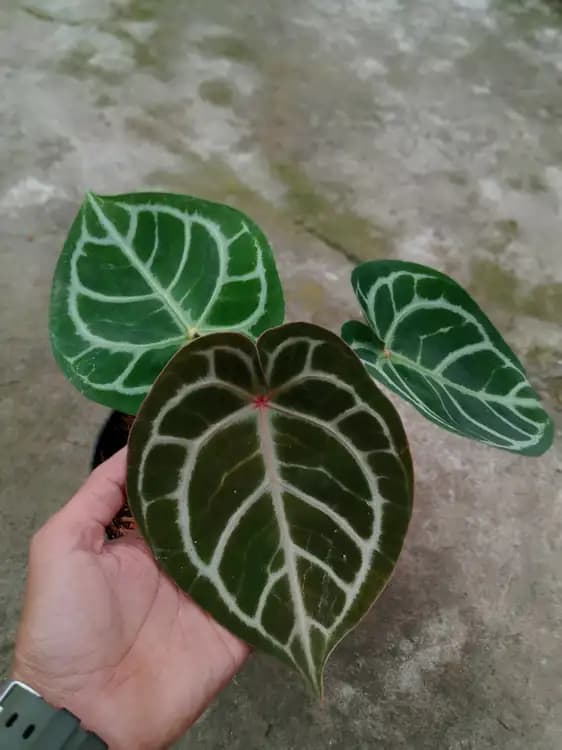
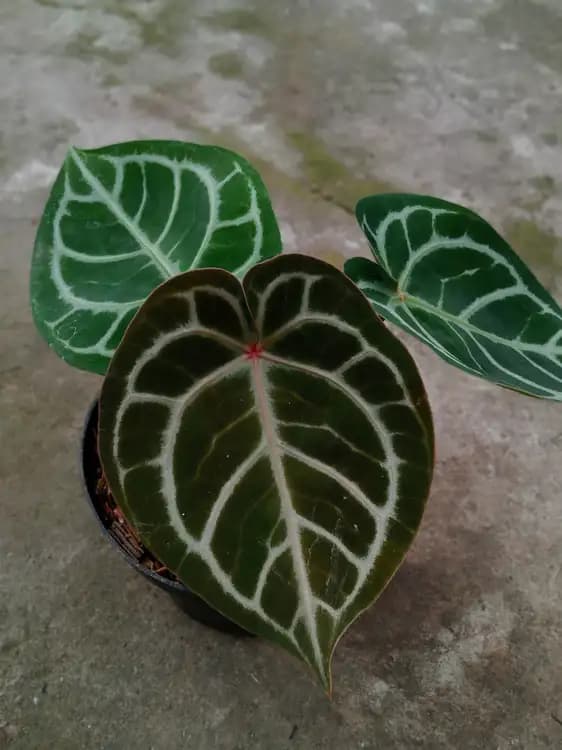

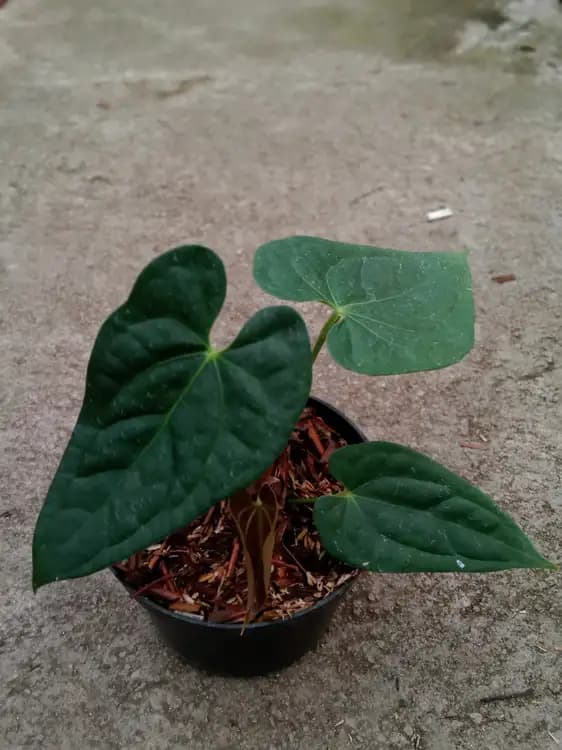
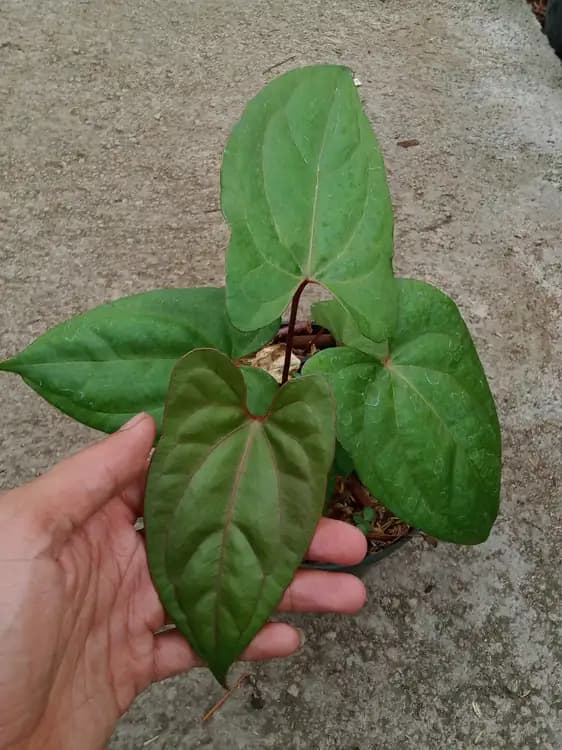
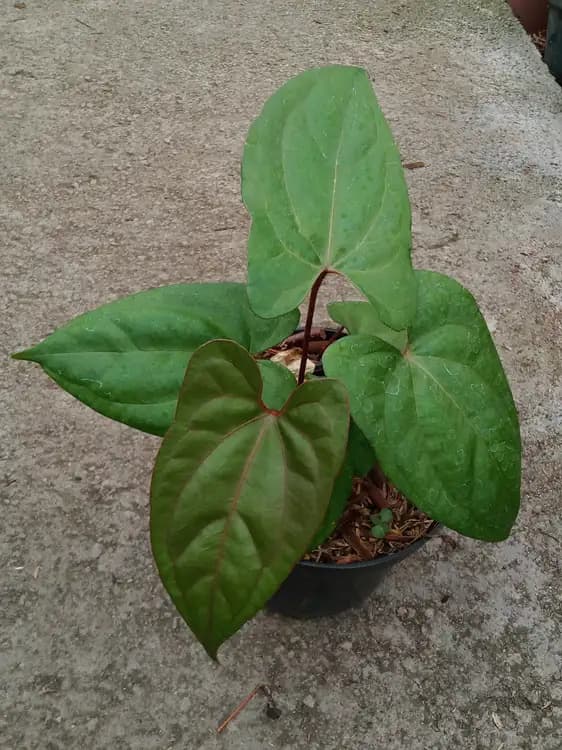
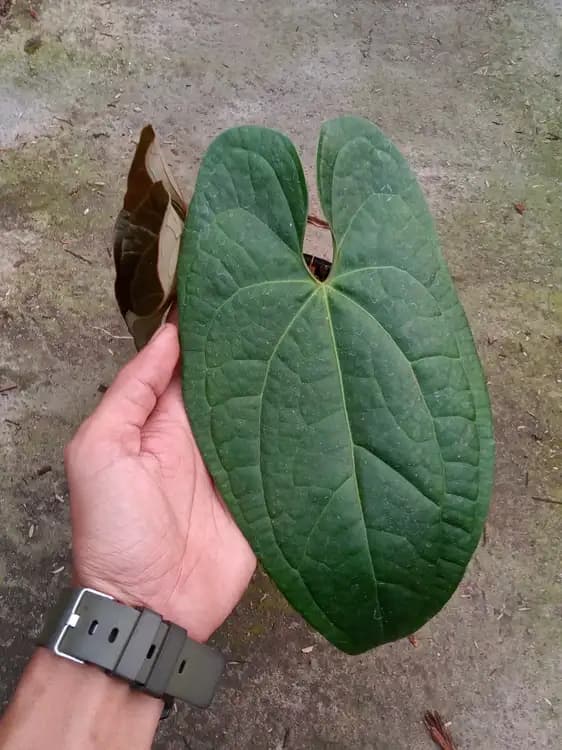
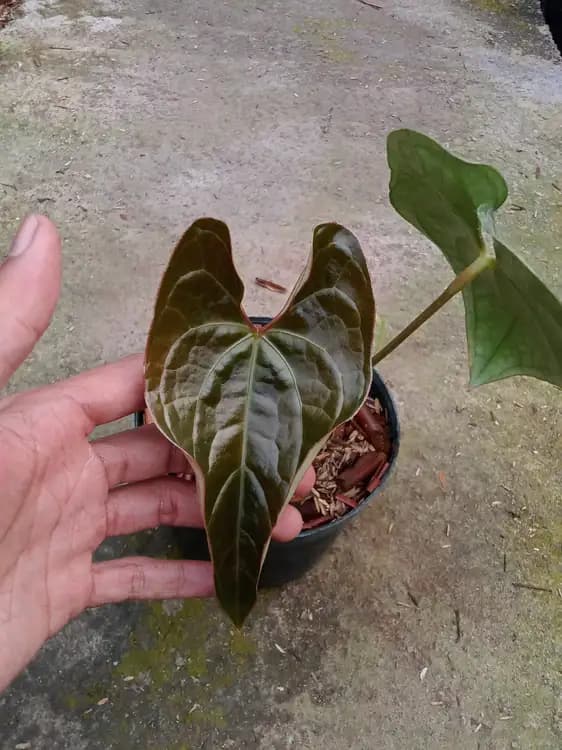
 Anthurium Dorayaki x Red Crystallinum
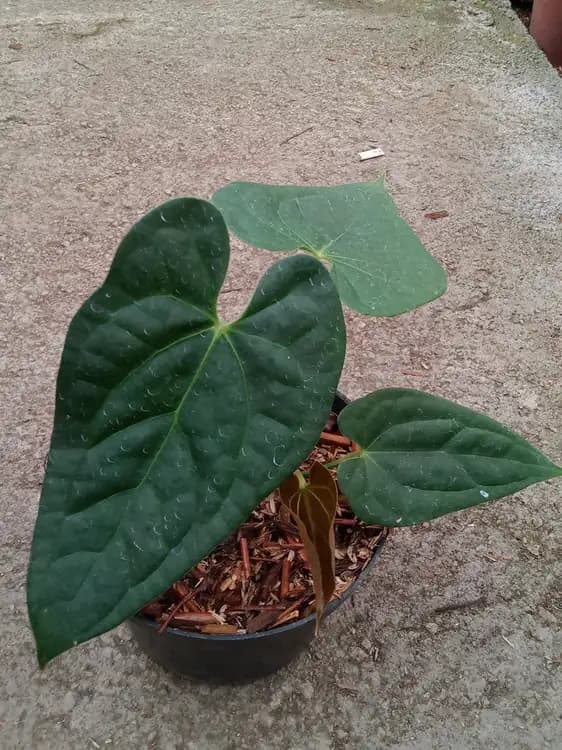
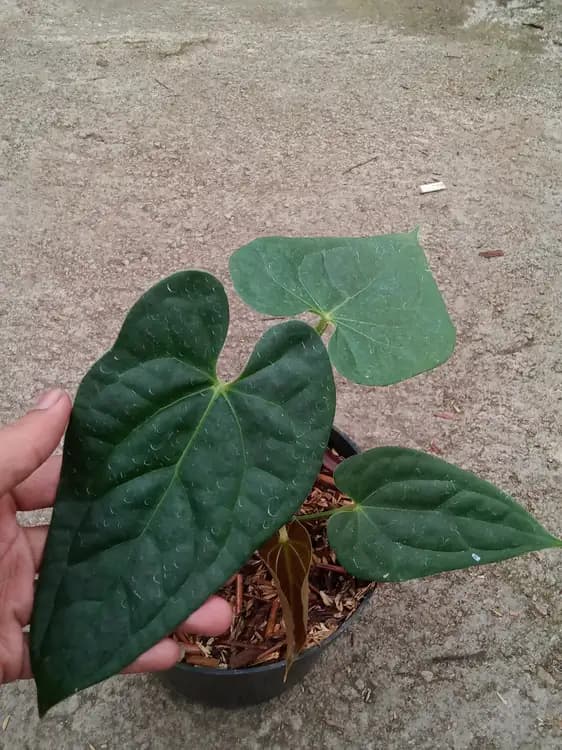
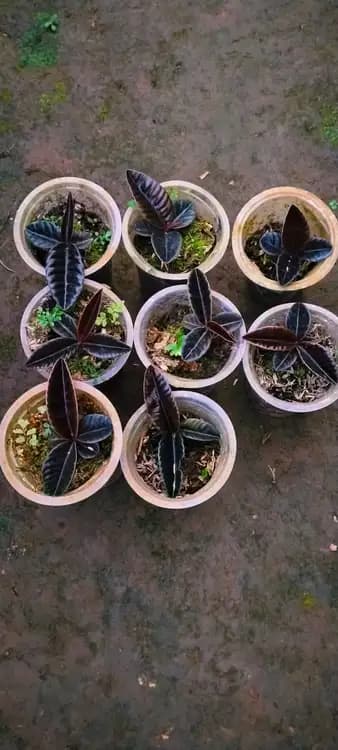
 Labisia Butterfly
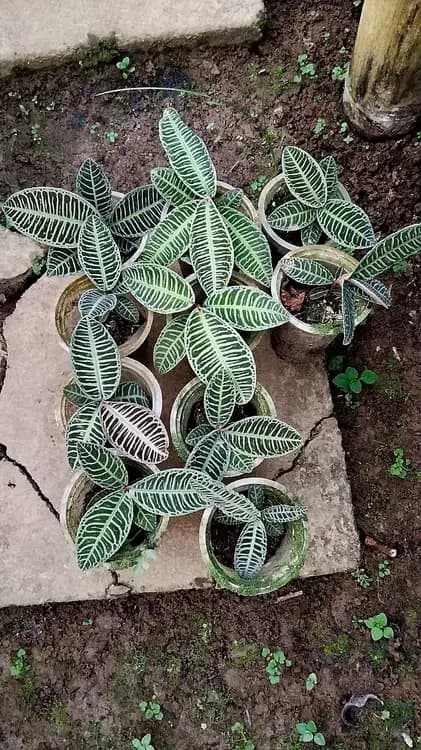
 Alocasia Maharani Black